

Short Review: Usually, "anti-war" means "anti-thought". This film is the exception.


When someone says “anti-war” today people tend to think of seething undergraduate morons who parrot the leftist drivel they’ve picked up between bong hits. Since Vietnam, the term “anti-war” has less to do with actual philosophy or serious thought about warfare and more about the bedwetting left stabbing our soldiers in the back for political gain. This film is a profound and truthful anti-war film that transcends the usual canard ridden screeds we hear today.
This film tells the story of Colonel Dax (Kirk Douglas), a French officer trying to survive in the trenches of WWI. Dax is confronted by a horrible situation. After a failed suicide mission, he is forced by his superiors to select three men from the ranks to be tried and then executed for cowardice. The men are not cowards. The stated reason for the trail of innocent men is to make them a warning for the rest of the soldiers. In actuality, the trial is a vehicle for the superior officers to keep from losing face.
 General Mireau (George MacReady) is looking for another feather in his cap and proposes a stupid frontal attack as a means of establishing glory. The lives (and deaths) of the men in the trenches are meaningless to him outside of how they can be leveraged for his personal gain. The resulting court martial of the selected men is nothing more than a kangaroo court. Through the story we witness a brutality honest look at the wages of war and the abuse of power.
Douglas’ performance of a man of conviction drowning in a vat of lies is reason enough to see this film. Douglas’ stern performance combined with Stanley Kubrick’s brilliant film making give the film a depth that is entrancing. From the scenes in the trenches to the nervous moments of the condemned soldiers as they wait for their fate in a dirty prison cell, every moment of this film brims with a haunting realism.
MacReady also provides a full performance as the power hungry leader Mireau. He conjures a quick posture that is quite frightening upon reflection. It is completely believable that this man would be so willing to casually cause the deaths of hundreds for his own pride.
While not being Kubrick’s most visually stunning film, it is one of his tightest works. I believe it may be his most meaningful film, which is saying something considering the master filmmaker’s resume. Where Full Metal Jacket had hints of the absurd, this film is deadly serious and expresses an anti-war sentiment that is not anti-soldier. This film is more Saving Private Ryan than Platoon in that regard. We ask our men and women to do terrible things in our name and their work doesn’t stop after they make it back home “safe”. We ask for them to sometimes give up their lives, even when those lives aren’t taken in battle. From lingering injuries of the mind and body, we ask them to sacrifice everything and then suffer in silence. This film is a reminder that war is the unleashing nihilism in the hearts of our soldiers. It is about more than just pride and politics, it is about killing other people. That comes with a deep cost to those involved. That’s a clear fact that is always lost to those of us not getting shot at.
Related Reviews:
War movies
Saints & Soldiers (2003)
Flyboys (2006)
Other Critic's Reviews:
Celluloid Heroes
Roger Ebert
Click here to buy your copy of

You Are What You See:
Watching Movies Through a Christian Lens
Labels: film, Kirk Douglas, movie, Stanley Kubrick, war
posted by Michelle Obama's Left Nut at 8:00 AM
1 comment(s)


Share
Sure.
Short Review: Remember back when they cast men to act in the male roles in film?


This is a John Wayne movie and God bless it. The Lord made man and Wayne stands as an iconic reminder of what men should be like - strong and self-reliant.
It’s refreshing to see men acting like men in film. I believe that is what's most striking thing about these older movies, men are actually masculine instead of being the half-man simpering feminist fantasies we see today. The men were confident in their role, had purpose and took charge.
Today we have “Oprah-ized” sissy-men crying and whimpering about their feelings every time they drop their Chapstick. Even when we get a character who is “a man” he’s prettied up like a whore. George Clooney and Brad Pitt are not men - they’re male models. The Rock is a big guy but he shaves his eyebrows and is best known for wearing hot pants. I say we drop the man-as-bulky-woman crap and bring back the John Wayne type: far from pretty, determined and ready to defend himself and others.
When boys watch films they gain a sense of what they should act like. One of the things they learn is how society expects them to behave in their role as men. By today’s standards men should be reflective, guilt-ridden, mincing, teenage girls who despise all things male and American. I say forget that! Bring back the honest, protective, get-the-job-done types who are willing to kick some butt if someone gets out of line. Our society is a cesspool of liberalized pornographic thinking - it is time to drain this swamp.
What…oh, the film? It’s a fun watch. Yes, the acting is stylized and stiff and some of the dialog is corny. Actually, there are some great lines for The Duke in this one. If you enjoy his work, this is a film for your short list. It displays Wayne's style and stands as one of his better non-western roles.
The film was made only a few years after the horrors of Iwo Jima and back then a movie was not seen as a chance for the entire country to examine its soul. It has the sense of a country which respected itself and was given to complimenting rather than criticizing its military men and women. Sure the movie lightens war, I do not deny that. Conversely, it does respect the warrior, which is something we're missing today. War is hell, we all know this, but Hollywood has taken things to the next step and decided that this must mean all soldiers are devils. Not true.
This is a classic and deserves a viewing, even if you’re a mincing-man pantywaist who loves What Not To Wear and Sex In The City. Who knows, maybe this film will open your mascaraed eyes and you’ll put down your diet soda and one-minute manicures and get you searching for the place you left your testicles.
And you thought I was going to forget to talk about the movie.
Related Reviews:
John Wayne movies
Stagecoach (1939)
The Quiet Man (1952)
Other Critic's Reviews:
Old School Reviews
Monsters & Critics
Click here to buy your copy of
You Are What You See and learn
to change the world from your couch
Labels: film, john agar, John Wayne, movie review, war
posted by Michelle Obama's Left Nut at 8:00 AM
1 comment(s)
Share


If you watch the trailer, you've got the movie.
A less than manly-man brother follows his manly-men brothers into the Iraq war zone. The limp brother, Jake, gets credit for putting himself in danger and having the nerve to go where the story is. His film gets credit for being a real look into the daily life of soldiers on the ground.
The film captures some riveting real-life footage of the Iraq War, all caught first-person. It also provides a portrait of how war impacts the soldiers and their families. Still, it is lacking.
If you have ever talked to a vet about war, provided you're not a vet yourself, you probably have noted a chasm between them and you. The distance of being changed by an experience and hearing about it huge. This film never navigates that chasm. .
The best I can say about the film is that it does manage to avoid being overtly political, which is saying something considering this is about the Iraq War.
Many will, at the least, find the film interesting in a voyeuristic way. The average Joe, in particular with a leftist press, doesn't get this view often of our soldiers. This said, I don't think the audience takes much away from the movie if they already understand the concept that war pretty much sucks.

Related Reviews:
Documentaries
Voices of Iraq (2004)
King of Kong: A Fistful of Quarters (2007)
Other Critic’s Reviews:
PopMatters
Roger Ebert
Click here to buy your copy of
You Are What You See and learn
to change the world from your couch
Labels: documentary, film, Iraq War, movie review, war
posted by Michelle Obama's Left Nut at 5:00 PM
0 comment(s)
Share
So, you make propaganda maligning our troops in the field, thus providing support for the enemy - release on an international scale productions that attempt to break troop and citizen morale...geez, its a good thing we don't have a term for that kind of thing or otherwise people in Hollywood may be in huge trouble.


There are times when all of the hype surrounding a film is actually justified. This is one of those productions. This is a pitch-perfect, well executed film that walks the balance beam of showing the harsh conditions and psychological horror of war without portraying our soldiers are seething brutes who are out of control. Unlike Oliver Stone's self-loathing (albeit interesting) presentation in Platoon, where the battle zone is a place of no heroic action and no honor, this film, directed by Kathryn Bigelow (K-19: The Widowmaker), admits the truth: war is painful, it is horrible and ugly, but it is also very human. This means it brings out the extreme evil in men but also the extreme good.
This is a far cry from a pro-war film, do not get me wrong. Bigelow and company are stridently anti-war, as they should be. What makes them different from the cohorts in the entertainment industry is that they don't conflate their anti-war philosophy with being anti-solider. This is a huge difference.
SFC William James (Jeremy Renner) is the newly appointed head of an Army bomb squad unit in Iraq. James along with Sgt. JT Sanborn (Anthony Mackie) and Spc. Owen Eldridge (Brian Geraghty) go from one deadly scene to the next as they diffuse bombs, handle snipers and avoid being shot on their tour of duty. James seems to have a death wish. He is a belligerent risk-taker who doesn't appear to have his survival instincts hooked up any more. This is naturally disconcerting to his comrades, as they still hope to live through their time in service. What results is a battle between the nihilistic James and Sanborn, who still clings to hope.
The one main flaw of the film is that James is a little too quirky in some respects. I am not a military guy - never served and you don't want me to. Speaking as an outsider, it would seem to me that someone as broken and apparently suicidal as James wouldn't be allowed on a bomb squad, or at least not given one to lead. Perhaps that is wishful thinking on my part. Having known a number of veterans I hold plenty of anecdotal evidence that our military command is that foolhardy (read stupid).
There is one sequence in the film that stands out. There is a patient, sniper battle when the squad gets pinned down. It is the most enthralling and tense battle sequence since Saving Private Ryan. Bigelow doesn't overplay the scene but rather draws it out, allowing the tension of the situation to take command of the audience. It is impossible to see this scene and not get drawn in. The transition between this scene and the next, you'll have to see the film to see what I mean, is one of the better examples of the psychotic emotional roller coaster our soldiers endure.
This deserves the Best Picture Oscar. It is easily the best American film of the year.

Related Reviews:
Iraq War movies
Full Battle Rattle (2008)
Gunner Palace (2004)
Other Critic’s Reviews:
Commentary Track
Film Critics United
Labels: film, Iraq War, Jeremy Renner, movie review, war
posted by Michelle Obama's Left Nut at 8:00 AM
0 comment(s)
Share
Should I see it?


Medina Wasl, an Iraqi village, hides in the sands of the Mojave Desert. The town houses hundred of Iraqi insurgents who are waiting to r revenge and violence on our servicemen.
Medina Wasl is one of the mock villages that make up a complicated US Army training simulation created to prepare soldiers heading to Iraq. The training base puts our soldiers into realistic situations involving insurgents, political assassinations, collateral damage and cultural conflicts.
The village is populated by Iraqi immigrants who role play a number of different characters to confront the soldiers. The film introduces us to these people who are working to bring their culture to the training. This is the film’s most fascinating element. The townsfolk live strange double lives. At work they pretend to grieve over their family members being killed or complain about petty issues. After work they labor to achieve their citizenship. We are given a good look at these fine folk who are doing their best to ease some of the culture shock for our soldiers heading into their former homeland.
The filmmakers Tony Gerber and Jesse Moss (Rated-R: Republicans in Hollywood) have released a captivating documentary that is notably without an agenda. The war in Iraq has become such a lightening rod that any discussion about anything connected to it immediately raises red flags with both the left and right. Before the release of this documentary it had become commonplace for films discussing the war to be slathered in political agenda. This film avoids any such harping and focuses on presenting the facts at hand.The movie has little to do with the war itself. It focuses on the actors and soldiers and their conflict, both prepared and real.
This is a quality documentary that lets the subject matter speak for itself, like documentaries should. This is a great pick if you have any interest in our current wars or the military in general.

Related Reviews:
Documentaries
Encounters at the End of the World (2008)
Bigger, Stronger, Faster: The Side-Effects of Being American (2008)
Other Critic’s Reviews:
Reel Talk Reviews
Monsters & Critics
Labels: documentary, film, movie review, war
posted by Michelle Obama's Left Nut at 8:00 AM
0 comment(s)
Share
Sure.
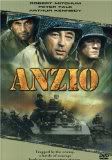

A traditional old-time war movie complete with easily identifiable stock characters, roughly delivered dialog and overly theatrical death. With all of its conventionality, it still manages to stumble a little as it struggles to settle on a point. This film about a war corespondent (Robert Mitchum) who gets wrapped up in an ambush has its, hey I'm a war movie made during the Vietnam Era vibes. At the same time, since this wasn't made today, the directors weren't as comfortable crapping all over our troops while they were still fighting and dying - today, if you don't crap on our soldiers and imply they're murderers you're some pro-McBushie Muslim baby killer. The film suffers from some odd choices because of this duality, being a pro-war/anti-war movie. At one point Mitchem ponders the emotional depths (well, as deeply as he was able to delve into them given his stoic delivery) while the war rages around him. This kind of break from reality cuts deeply into the film's credibility and distracts from what should be a great film.
Concerning the performances, Robert Mitchum plays Robert Mitchum in this one. His leaden persona hangs a little heavy on the production but Peter Falk easily lightens things up with a relaxed, comfortable performance.
Overall, this film has some significant flaws, there's no doubting that. These flaws can be forgiven thanks to some very good patchwork, battle sequences and the inclusion of Peter Falk in the proceedings. I do recommend the film, but not as something you should hunt down. If you're flipping through the channels or if absolutely nothing else is available, you can fall back on this pick.
Related Reviews:
War movies
The Longest Day (1962)
The Big Red One (1980)
Other Critic's Reviews:
Ozus' World Movie Reviews
Roger Ebert
Labels: film, movie review, Peter Falk, Robert Mitchum, Robert Ryan, war, World War II
posted by Michelle Obama's Left Nut at 8:00 AM
0 comment(s)
Share
No.
A more enjoyable movie perhaps.
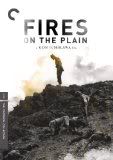

Kon Ichikawa’s (Ten Nights of Dream) film about Japanese soldiers suffering in the last days of the Battle of Leyte is a stark rough film. It is well-made and a fascinating watch but even with a brief running time of 110 minutes it feels like a very long movie. Want to be made to feel your lot in life ain’t so bad? Check this film out. You’ll have a hard time complaining about things for a while afterward.
If you’re into war dramas, this is a good pick. If you’re just looking for something to watch, this may be a bit too involved.
Related Reviews:
World War II movies
To End All Wars (2001)
Letters From Iwo Jima (2006)
Other Critic’s Reviews:
DVD Verdict
Cinema Strikes Back
Labels: film, Japanese cinema, movie review, war, World War II
posted by Michelle Obama's Left Nut at 5:00 PM
0 comment(s)
Share
No.
Short Review: Hell in your DVD player.


Lee Marvin and Toshirô Mifune star in this mismanaged film about an American pilot and Japanese sailor who are marooned on a forgotten island during World War II. Toshirô Mifune is one of the great film actors but his immense talents are wasted here. Marvin, who is at the height of his career, likewise seems misplaced. Director John Boorman (Exorcist II: The Heretic) fails to put together a coherent visual theme and overreaches with his editing. Even forgiving these faults the music from composer Lalo Schifrin (Rush Hour) is so incredibly intrusive and at times ear-splitting; it makes the film nearly unwatchable. The soundtrack is so prompting I found it to comical at times, as if they were trying spoofing overbearing film scores.
You’ve probably never heard of this film. There’s a good reason why this has been forgotten. You’re doing yourself a favor if you make this the only time you consider seeing this movie.
Related Reviews:
Toshirô Mifune movies
Yojimbo (1961)
Sanjuro (1962)
Other Critic's Reviews:
War Movie Blog
Variety
Labels: film, Lee Marvin, movie review, Toshirô Mifune, war
posted by Michelle Obama's Left Nut at 12:00 PM
0 comment(s)
Share

Screenwriter: James Lee Barrett (The Greatest Story Ever Told)
Director: Ray Kellogg and John Wayne (The Alamo)
Actors: John Wayne (The Shootist), David Janssen and George Takei (Star Trek)
Labels: film, George Takei, John Wayne, movie trailer, war
posted by Michelle Obama's Left Nut at 5:00 PM
0 comment(s)
Share


Director: Ryan Little (Forever Strong)
Actors: Corbin Allred, Alexander Polinsky and Kirby Heyborne
Labels: film, movie trailer, war
posted by Michelle Obama's Left Nut at 9:00 AM
0 comment(s)
Share


The film is actually two films in one. We have the opening section at boot camp and the second section in Vietnam. The transition between these two worlds is abrupt and jarring. This may have been intentional on Kubrick’s part but regardless, he develops two independent worlds in this film and allows each to mature on screen to their fullest extent.
Looking beyond the brilliant direction by Kubrick, we are given some great performances in this film. No discussion of this film is complete with a nod to R. Lee Ermey as Gny. Sgt. Hartman. Ermey’s amazing performance as the screaming drill sergeant that is hilarious as well as ominous. He will make you laugh just before he kicks your teeth in. Ermey’s Hartman is the quintessential drill sergeant and gives the stereotype a new life and dimension. Another notable and career founding performance is Vincent D'Onofrio’s Private Pyle. Pyle’s descent into madness at the hands of others is a hard watch. D’Onofrio manages both sides of this complex character with masterful control. Ermey’s and D’Onofrio’s performances make this film a must see. The rest of the cast is hardly standing around doing nothing. Modine as Joker, Adam Baldwin as Animal Mother, Arliss Howard as Cowboy and Kevyn Major Howard as the over enthusiastic Rafterman, each of these men give memorable performances. This is one of the best war films made and one of the better acted films in decades.
Then there’s that whole “Me love you long time” thing…I’ll just move on to the next review.
Related Reviews:
Vietnam War movies
Rescue Dawn (2006)
Platoon (1986)
Other Critic's Reviews:
Combustible Celluloid
Siskel & Ebert
Labels: film, Mattew Modine, movie review, Stanley Kubrick, Vietnam, war
posted by Michelle Obama's Left Nut at 9:00 AM
0 comment(s)
Share
Yes, if you have the time.


If you’re going to wade through a 231 minute film, this is the one.
As epic as it is long, this film presents the rise and fall of “Stonewall” Jackson through the praise worthy performance of Stephen Lang in the lead role. Lang at times overplays his hand as the devout Christian Jackson, but still gives the man an impressive faith and sense of Christian servitude that is rarely seen in film. His aggressive faith is not mocked but accepted. It enhances his character when he sits quietly with his wife and more so when he is shot and lies dying.
The film itself, while seemingly endless, is an ambitious marvel. It seriously looks at the South and its conflicting motives during this time. We are shown The Civil War with a detail and affection that is lacking in previous productions. Too bad the film is nearly as long as the actual war.
There are other fine performances to be found in the film. Jeff Daniels and C. Thomas Howell revise their roles as Lt. Col. Joshua Chamberlain and Sgt. Thomas Chamberlain, which they both played in Gettysburg (1993). Daniels offers a sober and nervous man in his Chamberlain. His performance is earthy when compared to the mythic stature of Lang’s Stonewall Jackson.
Obviously, this film could have stood for a massive trimming of unneeded scenes. On the other hand, it is a massive film that presents some fascinating characters and battles. This is not the kind of film you watch over and over, however you will remember it after one viewing. Again, this film is four hours long – you may want to get up every once in a while to keep yourself from getting bedsores.
Related Reviews:
War movies
Platoon (1986)
The Great Raid (2005)
Other Critic's Reviews:
Roger Ebert
PopMatters
Labels: film, Jeff Daniels, Mira Sorvino, movie review, Robert Duvall, Stephen Lang, war
posted by Michelle Obama's Left Nut at 8:00 AM
0 comment(s)
Share
But no, trust me - this film seriously stinks. You should skip it.

Screenwriter: Phil Sears, Blake T. Evans and David S. Ward (Major League)
Director: Tony Bill (My Bodyguard)
Actors: James Franco (Annapolis), Jean Reno (Mission Impossible) and Philip Winchester
Labels: film, James Franco, Jean Reno, movie trailer, war
posted by Michelle Obama's Left Nut at 1:00 PM
0 comment(s)
Share
Yes.
Short Review: This films cuts both ways, on one hand it is a brilliant grunt level look at war, on the other hand it is a kick in the soft compliments to the American military.

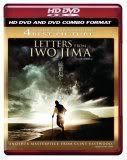
There are two ways to look at this film. One is to take this film as a standalone piece exploring the psyche of the Japanese side of Iwo Jima. The other view on this is to take this film in context and as a companion piece to director Clint Eastwood’s earlier and far inferior film about Iwo Jima, Flags of Our Fathers.
Taking this on its own merits, it is a great film. The story is focused, and we are given a fascinating look into the workings of the Japanese army. As the conditions on the ground begin to crumble as the American forces press on, the natural collapse of morale and discipline are shown in vivid detail. Eastwood does well managing this chaotic storyline of various characters meeting their imminent doom. Buttressed by screenwriter Iris Yamashita’s talent for character, Eastwood creates a stark portrait of men faced with internal and external existential wars to fight.
At the center of this film are two moving performances. The real lead in this piece is Kazunari Ninomiya. Ninomiya’s performance as Saigo, a poor baker who is torn from his love and conscripted into the army, carries the film. He is a critical figure in the film since he is the only character most people will be able to fully connect to. He is somewhat sarcastic and lacking the compliance or commitment to his army’s call. He is a common man yanked into the maelstrom of the Pacific theater. The other main focus of the piece is General Tadamichi Kuribayashi, portrayed by Ken Watanabe (The Last Samurai). Watanabe brings his natural charisma to the role and fills the shoes of a general quite well. He is a thoughtful leader who was educated in America. His leadership mismatches the brutal discipline of his underlings. This rift creates much of the film's early conflicts from which the characters are allowed to express themselves before the fighting begins. Kuribayashi is likewise a pawn and cast into the pit along with his men. The difference with his character is that he knows its coming. He goes into the fight with the Americans fully aware he cannot win.
Eastwood patently moves through subplots and minor characters to keep hammering home the uselessness of the venture of making war. From the upper echelon to the lowest grunt, we are shown that the wages of war are deep and, apparently in Eastwood’s eyes, not worth it. The full impact of the piece is muddled however given the inability for the characters to fully connect. In all of their effort to bring the expanse of the battle to the screen, Eastwood and Yamashita move around too much and too quickly. This battle went on for thirty-five days. Because of the hurried script it seems like the defeat of the Japanese came quick. The Americans land, there’s a couple of scuffles and the Japanese begin killing themselves. There is absolutely no feel to the timeframe involved. This breaks down the drama faced by these men, and saps some of the energy from the piece. When the final climatic moment occurs the lack of perspective comes to bear. While it is certain these men faced hard and violent times, the full scope of their endurance is missing.
Also missing from this piece is an honest look at who these guys were as soldiers and what they were capable of given their worldview. In this film it is the Americans who are shown to be brutish and cruel. While there is one individual Japanese officer who beats his men, the others are shown to be regular guys. While, yes, the Japanese soldiers we're all fully committed to the cause, it is important to remember that many were and that the Japanese army fully capable of horrible atrocities on the level of the Nazis. One has to look at Eastwood’s portrait and ask would this still be acceptable if he was showing us a sympathetic side to German forces? The Axis in WWII were strongly evil forces and Eastwood casually dismisses this in his work.
Overall, taken as a standalone piece this is successful and worth seeing at least once. Eastwood’s tendency to get long winded works in this piece as it is balanced out by Yamashita’s episodic writing. For those who love war film, this is a must see production. For those looking for an escape into comfortable entertainment, this may be a little too heady.
Cautions: Obviously, given that this is a frank look at war, this is a very violent film. Only a moron would go in thinking it would be otherwise.
So then, if you're a moron - be careful.
Related Reviews:
Clint Eastwood movies
Million Dollar Baby (2004)
Flags of Our Fathers (2006)
Other Critic's Reviews:
FilmCritic.com
Dear Cinema
Labels: Clint Eastwood, film, Kazunari Ninomiya, Ken Watanabe, movie review, war, World War II
posted by Michelle Obama's Left Nut at 9:00 AM
0 comment(s)
Share
Yes.


Important when it was released, it was considered to be the first "serious" market friendly film made about the Vietnam War (The Deer Hunter was a bit too serious for most audiences). This led a renaissance of war films in the late 1980's. With Vietnam being turned into some sick cartoon by Missing in Action and Rambo: First Blood Part II, this movie corrected the record to a certain degree by taking the experience with some gravity. Ironically, writer/director Oliver Stonehad written the original screenplay, following his own tour in the war, to counter the light treatment he saw the film get in John Wayne's The Green Berets. Stone still shoehorns every possible experience, stereotype and myth into his masterwork and is manipulative in his own way. Stone's overreaching style is evidenced here but unlike his later films JFK, Nixon, Natural Born Killers and The Doors, his personal stamp doesn't get in the way of narrative.
Stone knows how to handle drama. The war is seen through the eyes of young Private Taylor (Charlie Sheen), who volunteered for service. Taylor finds himself having to choose sides in a platoon splintered in two. One half follows the cruel but effective Sergeant Barnes (Tom Berenger), the other half follows the more laid back, but just as effective Sergeant Gordin (Willem Dafoe). The performances of Berenger and Dafoe are worth the price of admission alone. Stone carefully crafts the conflict between the two halves of the platoon to show the two aspects of the war from his perspective and stands a brilliant piece of screenwriting.
One of the best war films ever released, this is one of the films everyone should see at least once.
Obviously, this being a war film, violence, rape and cursing abound. If you're a sensitive audience member, you probably want to shy away.
Related Reviews:
Vietnam War movies
Apocalypse Now (1979)
Rescue Dawn (2006)
Other Critic's Reviews:
Film Freak Central
Celluloid Heroes
Labels: Charlie Sheen, film, Forest Whitaker, movie review, Oliver Stone, Tom Berenger, Vietnam, war, Willem Dafoe
posted by Michelle Obama's Left Nut at 12:00 PM
1 comment(s)
Share

Eh...sure...although, if you don't, you're not missing much.
Short Review: The mediocre raid.
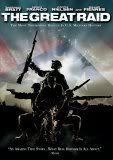

There have been many attempts to express the torture American soldiers endured at the hands of The Japanese during WWII. Like To End All Wars, this film goes out of its way to show the brutality of the Japanese P.O.W. camps in an unfiltered and realistic fashion. This movie also shares another quality with that film, it is painfully slow. We come to get a glimpse at how low humans can drop when personal honor is cherished over personal morality. In this respect, this film is successful. The viewer does come to understand how bad it was for the prisoners. This film fails, however, because beyond this weighty point, there is little else of note.
This film primarily suffers from a clear lack of direction. The structure of the film is built from two stories that are split into three portions. That sounds fun doesn’t it? There is the drama of the prison camp where Major Gibson, played wonderfully by an intense Joseph Fiennes (Luther), tries to control his men while he is slowly dying of malaria. The second portion is dedicated to Margaret (Connie Nielsen (Gladiator), Major Gibson’s unrequited love. She struggles to remain free while operating a local underground movement and smuggling drugs to the P.O.W. camp. This makes up one of the two stories told in this movie. This would have been a successful production if this was the extent of the narrative. There is enough here to make a deeply moving story about the separated couple. Well, this is called The Great Raid not The Great Story About The Separated Couple - there has to be more.
Finally we have the last portion given to the actual raid. This is equally as interesting and potentially striking as the other plot lines in the film. Like the other plots there is enough content in this portion to make its own film. The raid section of the film holds some good content but could have been improved. James Franco and Benjamin Bratt offer strong performances although their roles don’t require much. It would have been better if the film had the time for character development and conflict. As it is, the raid is shoehorned into the film and the story suffers.
The central issue is that the plots have nothing to do with one another until the final act. While Gibson and Margaret go through their internal struggles, the raid is being massed and executed by people who otherwise have nothing to do with them. In a way it is like watching a movie on television and clicking over to another movie on another channel and then coming back. The actual raid seems to impose upon the film about the struggles of the suffering couple.
The piece as a whole is tragically disjointed. With the stories not connecting until the final moments and the complete lack of a centralized villain there is nothing pushing the story forward. We have a series of events that end without meaning, thus, no real reason to watch. I’ve said it before and I’ll say it again, a story requires a central villain. This forces a thrusting conflict against the hero and is used to move the story forward. Conflict demands a question be proposed to the audience; “Will the boy get the girl?” “Will the raid be successful?” “Will the hero get his goal?” Through the conflict that drives the story the storyteller and audience learn the answer to the central question. This answer gives birth to “the moral of the story”. If there isn’t a notable bad guy, there isn’t a notable conflict and thus there isn’t a notable moral to close the story. This is a first class ticket to an unsatisfying ending.
While I can’t tell you to avoid this one, there are some good scenes and some fine acting, I’m certainly not raving about this film. It is lukewarm, proceed with caution.
Related Review:
Another P.O.W. Movie
Rescue Dawn (2006)
Other Critic's Reviews:
The Armchair Critic
CinemaBlend
Labels: film, James Franco, Joseph Fiennes, movie review, war, World War II
posted by Michelle Obama's Left Nut at 5:59 PM
0 comment(s)
Share
Yes.
Short Review: Incoherent ramblings were never so interesting
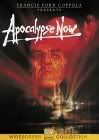

I mean every word I’ve written. This is a bad movie. On the other hand I also love this movie.
Honestly looking at this film, one has to admit that it is indeed a horrible wreck. It lacks a basic structure and it suffers from numerous flaws. The film also offers some of the most striking moments from its generation of American cinema and is one of the rare moments where the parts are greater than the whole.
For the uninitiated, Coppola’s view of Vietnam is widely considered to be one of the greatest war movies. It is a reworking of Joseph Conrad’s Heart of Darkness takes place in Vietnam. Captain Benjamin Willard (Martin Sheen) is assigned to assassinate Colonel Kurtz (Marlon Brando) who has gone insane and is waging his own war in Cambodia. Willard takes a U.S. Navy boat up the winding river to Kurtz’s last known location. Following Willard on his trip we experience the violent and surreal world of Vietnam. The film became famous not only for its stark expression of war but also for the legendary behind-the-scenes mishaps. From Sheen’s heart attack to Coppola’s near mental breakdown, the making of the film is often more interesting than the piece it produced (for more on this I suggest watching Hearts of Darkness: A Filmmaker's Apocalypse which is a chronicle of the film’s creation).
Willard’s Homeric journey is handled in episodic fashion with each of his stops on the river being a separate piece of the collective whole. This leads to a mixed bag of scenes where some work and others simply fall flat. This disjointed storytelling saps the coherency from the piece but adds an element of uncertainty which works to enhance the chaotic hell Willard finds himself in. When this approach works it works brilliantly and makes the film worth every second. The problems settle in when the film has to resolve itself.
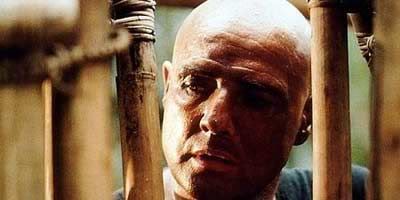
The final act when Willard confronts Kurtz is a ridiculous piece of film making. Marlon Brando in all of his bloated, mumbling glory is a laughable disaster. Coppola, unable to control the actor allowed the man to ramble whatever came to his crooked mind instead of his scripted lines. The result is long segments of a man who looks like the devil’s version of the Stay-Puft Marshmallow Man slurring nonsense in the dark. On top of this we are asked to struggle through a cameo of Dennis Hopper as a frantic photojournalist who is a John the Baptist to Marlon’s doughy anti-Christ.
This is not a film for everyone, although I haven’t met a guy who doesn’t absolutely love the Colonel Kilgore (Robert Duvall) air cavalry/Flight of the Valkyries scene. Non-film geeks will probably end up looking at their watches during the final half hour. The trip up the river before the fat man sings offers some of the most exhilarating film work from the seventies and is worth the effort. If you haven’t seen this film, there’s no better day than today to give it a shot.
Related Reviews:
Francis Ford Coppola movies
Tucker: A Man and his Dream (1988)
Bram Stoker's Dracula (1992)
Other critic's reviews:
The Phantom Tollbooth
Celluloid Heroes
Labels: film, Francis Ford Coppola, Marlon Brando, Martin Sheen, movie review, Robert Duvall, Vietnam, war
posted by Michelle Obama's Left Nut at 7:35 AM
2 comment(s)
Share

"Greater love has no one than this, that he lay down his life for his friends." John 15:13
Directed by Steven Spielberg, WWII film follows a small group of U.S. Soldiers who are sent into enemy territory to locate Private Ryan and bring him home. In a moment of mercy, the United States military makes the choice to spare the young man to send him back to his mother who has lost all of her other sons to the war. The plot, while it may seem contrived, works well and is played out to full effect by screenwriter Robert Rodat. The scope of the film is smartly kept tight and keeps directly on path. It is common for war films with larger casts to splinter into an episodic collection of narratives that eventually weigh the pieces down (A Bridge Too Far, The Longest Day). Rodat’s script is certainly episodic but it doesn’t break into multiple tangents. Rodat also does well managing his large cast of characters. With ensembles it is easy to lose character development and focus. Rodat weaves in logical and compelling soliloquies for each character to build them up enough for us to care that they are in peril.
This is one of those films where you can go back ten years later and identify brand name actors milling around in the supporting roles. The cast is populated with the likes of Matt Damon, Vin Diesel, Paul Giamatti, Nathan Fillion, Giovanni Ribisi, Jeremy Davies, Adam Goldberg, and Barry Pepper. Each of these men may be household names (or at least faces) now, but when the piece was released they were relative unknowns. At the front and center of the film is Tom Hanks who is very generous with his screen time and allows the young actors plenty room to work. Given that Hanks is one of the only recognizable faces in the piece it means he has to work extra hard to meld into the film. It would be very easy for him to appear as Tom Hanks pretending to be a soldier. An example of how this doesn’t work is Ted Danson’s cameo. Danson is inserted into the piece and sticks out like a sore thumb. He is easily identifiable in the sea of unknown faces and the piece suffers while he’s on screen. The entire time I kept asking “Why is Sam Malone doing in France?” Thankfully, Hanks’ provides a detailed performance that anchors the film and enriches the story.
Spielberg’s is at the top of his game and is playing to his strengths. I’ve always maintained that Spielberg is at his best when he’s killing Nazis (Raiders of the Lost Ark, Schindler’s List). Thanks to Spielberg’s brilliance, this film created a new template for war films. Its look, the way it was filmed, even the sound recording have influenced war films and video games since and will continue to do so for decades to come.

Cautions: This is a war movie therefore there's plenty of brutal violence and grisly death scenes. This film particularly has vibrant battle sequences and deaths that are some of the most striking to ever to be put to screen. There's also plenty of salty language but given the subject matter, it is permissible.
Worldview: This piece moves beyond the simple "war is hell" bromides and delves into the motives of the men on the ground. War is certainly hell but it can also be used to promote goodness in this world. The sacrifice of the men and women involved in our wars are worthy of our respect. This film expressly demands us to make certain we earn the right to accept the sacrifices of the men who have died for our freedom.
Related Reviews:
War movies
The Big Red One (1980)
Paths of Glory (1957)
Other Critic's Reivews:
Crazy4Cinema
ScreenIt!
Labels: Ed Burns, film, Matt Damon, movie review, Steven Spielberg, Tom Hanks, war, World War II
posted by Michelle Obama's Left Nut at 7:00 AM
0 comment(s)
Share
posted by Michelle Obama's Left Nut at 11:38 AM
0 comment(s)
Share





















Good News Film Reviews LLC 2004-2010 - used with permission
Images, video and titles are the property of their respective copyright holders. Good News Film Reviews LLC claims no ownership or connection to them.
The views expressed on this site are not the opinion of any advertiser or external entity.
While we take care to only link to responsible entities, Good News Film Reviews LLC takes no responsibility for the content linked from this site. There are sharks in the waters. Surf at your own risk.
The Template is generated via PsycHo and is Licensed.